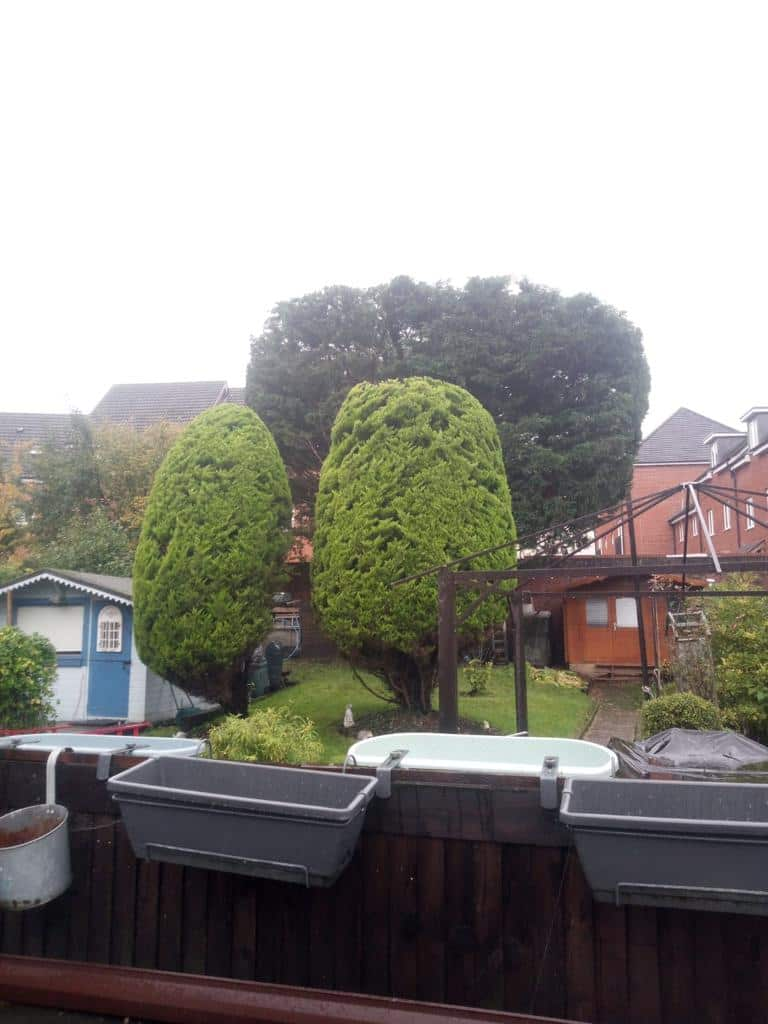
Trees rarely grow in perfectly straight lines throughout their entire lifespan. In many cases, a slight lean is completely natural and may not indicate a problem at all. However, when a tree begins leaning suddenly, excessively, or unevenly, it can become a serious concern for both safety and property protection. In Bognor Regis, West Sussex, changing weather conditions, soil movement, and poor tree health can all contribute to unstable trees that require professional assessment.
At LM Tree Surgery Bognor Regis, we provide expert tree inspections and tree surgery services designed to identify potential hazards early and help homeowners manage trees safely and responsibly.
Why Do Trees Lean?
Not all leaning trees are dangerous
Some trees naturally grow at an angle due to environmental conditions or competition for sunlight. A slight lean that has developed gradually over many years may simply be part of the tree’s normal growth pattern.
Common natural causes include:
- Growth towards sunlight
- Exposure to prevailing winds
- Limited growing space
- Uneven surrounding vegetation
However, sudden or increasing leaning often indicates a more serious issue beneath the surface.
Root Problems Are a Major Cause of Leaning
Healthy roots provide stability
A tree relies on its root system to remain securely anchored in the ground. When roots become damaged or weakened, the tree may begin shifting or leaning.
Root damage can occur due to:
- Soil erosion
- Waterlogged ground conditions
- Construction or excavation work nearby
- Root decay and disease
Once the root system weakens, the risk of instability increases significantly.
Storm Damage Can Cause Sudden Leaning
Severe weather places trees under stress
Strong winds and storms are one of the most common reasons trees suddenly begin leaning.
Storm-related damage may include:
- Partial root lifting
- Cracked trunks or branches
- Structural imbalance within the canopy
For properties in Bognor Regis, West Sussex, professional inspection after severe weather is important if a tree appears to have shifted position.
Uneven Growth Can Affect Tree Balance
Heavy canopies place strain on the structure
Trees with dense or uneven branch growth can become unbalanced over time.
This may lead to:
- Increased pressure on one side of the tree
- Greater wind resistance during storms
- Gradual leaning as weight distribution changes
Professional pruning and crown management help reduce these structural pressures.
Soil Conditions Influence Tree Stability
Ground movement affects root support
The condition of the soil surrounding a tree plays an important role in maintaining stability.
Problems may develop in:
- Waterlogged or soft ground
- Areas affected by erosion
- Soil weakened by excessive moisture
Unstable ground conditions can reduce the tree’s ability to remain securely rooted.
When a Leaning Tree Becomes Dangerous
Certain warning signs should never be ignored
While some leaning trees remain stable for many years, others can become hazardous very quickly.
Warning signs include:
- Sudden changes in the angle of the lean
- Visible root lifting or exposed roots
- Cracks in the trunk or major limbs
- Soil movement around the base
- Leaning towards buildings, pathways, or roads
- Dead or falling branches
These signs often indicate structural instability that requires immediate professional attention.
Large Trees Pose Greater Risks
Mature trees carry significant weight
The larger the tree, the greater the potential danger if it becomes unstable.
A falling tree may cause:
- Damage to roofs and vehicles
- Broken fences or garden structures
- Obstruction of access routes
- Serious safety hazards for people nearby
Professional tree assessments help determine whether a leaning tree remains safe or requires corrective work.
Professional Tree Surgery Helps Reduce Risks
Early intervention prevents larger problems
Tree surgeons can assess whether the lean is natural, manageable, or structurally dangerous.
Professional services may include:
- Crown reduction to reduce canopy weight
- Removal of damaged limbs
- Structural pruning and balancing
- Safe tree removal where necessary
At LM Tree Surgery Bognor Regis, we provide professional tree inspections and tree surgery services throughout Bognor Regis, West Sussex, helping homeowners maintain safe and healthy outdoor spaces.
DIY Tree Work Can Be Dangerous
Leaning trees require specialist assessment
Attempting to cut or manage an unstable tree without professional knowledge can be extremely hazardous.
Incorrect work may:
- Increase instability
- Cause uncontrolled branch failure
- Damage nearby property
- Place people at serious risk
Professional tree surgeons use specialist equipment and safe working methods to manage leaning trees properly.
How Regular Tree Maintenance Helps
Preventative care improves long-term stability
Routine inspections and pruning help identify developing problems before they become dangerous.
Regular maintenance can help:
- Reduce excessive canopy weight
- Improve tree balance
- Detect disease or root problems early
- Maintain healthier structural growth
Ongoing professional care is one of the most effective ways to reduce tree-related risks.
Conclusion
Trees can lean for many different reasons, from natural growth patterns and uneven sunlight to storm damage, root problems, and structural imbalance. While some leaning trees remain stable, others may become dangerous if warning signs are ignored.
For homeowners in Bognor Regis, West Sussex, professional tree inspections are essential when a tree begins leaning unexpectedly or appears unstable. At LM Tree Surgery Bognor Regis, we provide expert tree surgery services designed to assess risks, improve tree stability, and maintain safe, attractive outdoor spaces. If you are concerned about a leaning tree on your property, our experienced team can provide reliable advice and professional solutions tailored to your garden and surrounding environment.
Call us on: 01243 973 494
Click here to find out more about LM Tree Surgery Bognor Regis
Click here to complete our contact form and see how we can help with your tree needs.