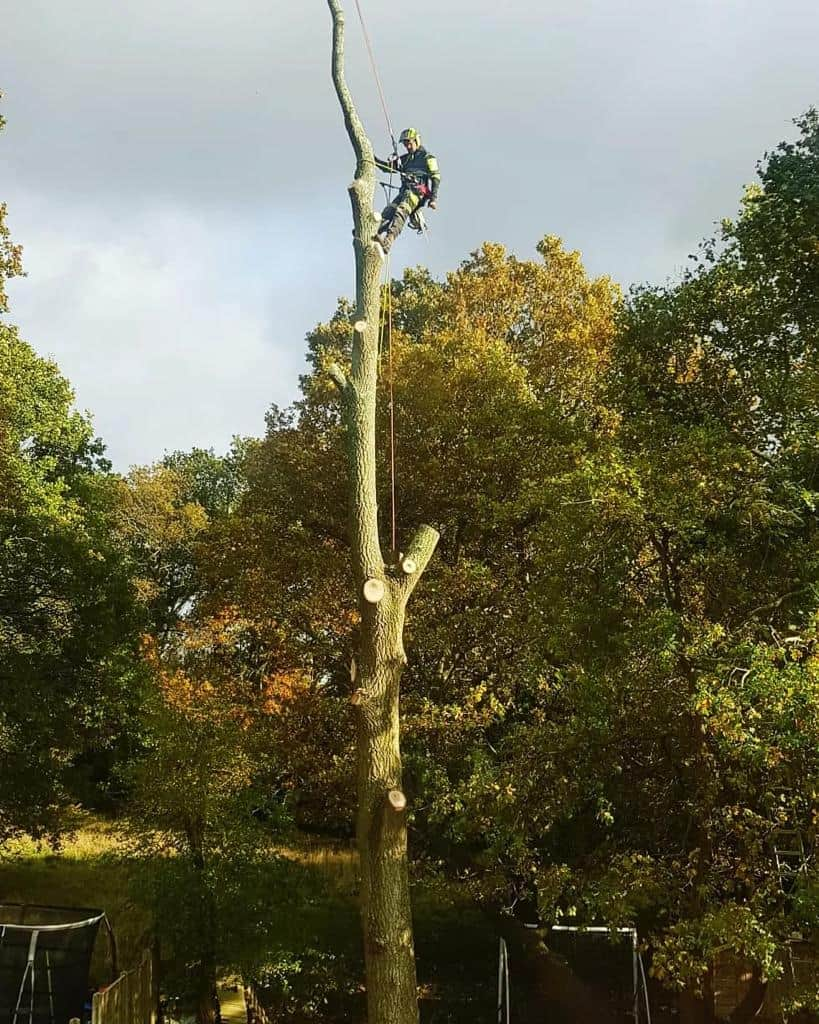
Healthy trees depend on a well-maintained branch structure to support their canopy, withstand changing weather conditions and continue growing successfully. As trees mature, some branches may become crowded, damaged or poorly positioned, affecting the way the canopy develops. Regular, carefully planned pruning helps manage this growth and encourages a more balanced structure.
Tree pruning is not simply about removing unwanted branches. It involves understanding how a tree grows, identifying areas that need attention and making appropriate cuts without causing unnecessary stress. For property owners in Bognor Regis, West Sussex, professional tree care can help maintain healthy trees while supporting their long-term development. LM Tree Surgery Bognor Regis provides specialist tree surgery to help manage growth and maintain suitable branch structures.
How Pruning Influences Branch Development
Trees naturally develop new growth as they respond to sunlight, available space and their surrounding conditions. However, when branches become overcrowded or damaged, the canopy may develop unevenly.
Selective pruning removes particular branches to improve the tree’s overall structure. It can also reduce competition between crowded limbs, allowing the remaining branches to develop within a more balanced canopy.
The aim is not to encourage excessive new growth, but to maintain a strong framework that supports the tree as it matures.
Removing Weak and Damaged Branches
Dead, diseased and damaged branches can affect the condition and appearance of a tree. They may also create structural weaknesses, particularly when they are attached to larger limbs or positioned within crowded sections of the canopy.
Removing unsuitable branches allows the tree’s healthy structure to be maintained and reduces the risk of damaged material breaking away.
Professional pruning also involves identifying branches with poor attachments, cracks or signs of decay. These should be assessed carefully before removal, as cutting the wrong limbs can affect the balance of the canopy.
Reducing Competition Between Crowded Branches
When several branches grow close together, they may compete for space and develop in ways that affect the tree’s overall shape. Crossing branches can rub against one another as they move in the wind, damaging the bark and creating potential entry points for disease.
Selective thinning helps reduce this congestion by removing carefully chosen branches. This creates better spacing within the canopy and allows the remaining limbs to develop without unnecessary interference.
Good branch spacing can also improve light penetration and airflow, helping maintain a healthier canopy environment.
Encouraging a Strong and Balanced Canopy
A tree with an uneven distribution of branches may place greater strain on certain parts of its structure. This can happen when one side develops more extensively than another or when long branches extend well beyond the main canopy.
Regular pruning helps manage these differences by selectively addressing unsuitable growth. The objective is to maintain a natural shape with a well-distributed framework of healthy branches.
A balanced canopy can also help the tree manage its weight more effectively as it grows. However, the correct approach depends on the species, age and existing structure of the individual tree.
Why Correct Pruning Techniques Matter
The way a branch is cut can influence how successfully the tree responds. Poor pruning practices, such as leaving long stubs or cutting too close to the trunk, can interfere with the tree’s natural wound response.
Professional tree surgeons understand where appropriate pruning cuts should be made to support the tree’s natural development. They also consider how much material can safely be removed without reducing the canopy excessively.
Over-pruning should be avoided. Removing too much foliage can reduce the tree’s ability to produce energy and may lead to vigorous but poorly positioned regrowth. Careful, selective work is generally more beneficial than severe cutting.
Choosing the Right Time to Prune
The most suitable pruning period depends on the tree species, its condition and the type of work required. Some trees are best pruned during dormancy, while others benefit from attention at different stages of their growth cycle.
Seasonal timing can also influence how a tree responds to pruning and whether particular work should be delayed. Dead, damaged or potentially hazardous branches may require attention sooner rather than waiting for a routine maintenance period.
A professional assessment helps determine when pruning is appropriate and how it should be carried out.
The Importance of Regular Tree Inspections
Tree growth changes over time, so pruning requirements should not be based solely on how the tree looked during its previous maintenance visit.
Regular inspections allow developing problems to be identified, including overcrowded branches, deadwood, weak attachments and changes in the tree’s condition. They also help establish whether previous pruning has produced suitable growth.
For property owners in Bognor Regis, West Sussex, keeping track of these changes can make tree maintenance more effective and help prevent minor structural issues from becoming more difficult to manage.
LM Tree Surgery Bognor Regis provides professional tree assessments and pruning services, helping property owners maintain healthy, well-structured trees.
Conclusion
Regular tree pruning helps maintain stronger branch structures by removing damaged growth, reducing overcrowding and encouraging a more balanced canopy. When carried out correctly, it supports the tree’s natural development while helping preserve its health, shape and long-term stability.
If a tree on your property in Bognor Regis, West Sussex, has developed crowded, damaged or poorly positioned branches, contact LM Tree Surgery Bognor Regis to arrange a professional assessment and discuss suitable pruning work.
Call us on: 01243 973 494
Click here to find out more about LM Tree Surgery Bognor Regis
Click here to complete our contact form and see how we can help with your tree needs.